

Your liver requires specific nutrients to regenerate after substance abuse. Focus on cruciferous vegetables like broccoli and kale, which boost detoxification enzymes, and antioxidant-rich berries to reduce inflammation. Include lean proteins (1.2-1.5g/kg daily) from fish and poultry to support cell repair, while adding healthy fats from avocados and walnuts. Consume 4-6 small meals throughout the day, staying hydrated with 2-3 liters of water. A thorough healing strategy incorporates additional key nutrients and timing considerations. Incorporating foods that aid detox during recovery will further enhance liver function and overall health. Consider adding spices like turmeric and garlic, both known for their anti-inflammatory properties, to your meals for an extra boost.
Understanding Your Liver’s Role in Recovery
Your liver stands as the body’s primary detoxification powerhouse, playing an essential role in your recovery from substance abuse. During recovery, your liver functions extend far beyond simple toxin removal; it’s actively working to restore your body’s balance through multiple significant processes.
As you begin healing, your liver synthesizes essential proteins for recovery, processes important nutrients from your diet, and maintains stable blood sugar levels. It’s also strengthening your immune system by filtering out harmful pathogens and producing factors critical for fighting infections. Understanding these liver functions helps highlight why protecting this organ is crucial for your recovery success. When substance abuse has compromised your liver’s capabilities, its ability to perform these life-sustaining tasks becomes limited, potentially slowing your healing process and increasing health risks. Psychosocial support alongside medical treatment can significantly improve recovery outcomes. Poor diet and disrupted sleep patterns can make liver injury worse, making lifestyle changes an important part of the recovery process. Since malnutrition commonly occurs with liver disease, maintaining a balanced diet intake becomes crucial for supporting your liver’s healing journey.
Essential Nutrients for Liver Regeneration
When recovering from substance abuse, specific nutrients play vital roles in liver regeneration and cellular repair. Your body needs adequate protein sources like lean meats, fish, eggs, and legumes to support the synthesis of new liver cells and essential enzymes. You’ll want to consume 1.0-1.5g of protein per kilogram of body weight daily to combat muscle wasting and enhance healing. Studies show that consuming cruciferous vegetables can help protect liver cells by altering detoxification processes in the body. Alcohol exclusion is essential for optimal liver healing and preventing further damage to skeletal muscle function.
For antioxidant benefits, incorporate vitamin E and C-rich foods like nuts, leafy greens, and citrus fruits to reduce liver inflammation. You’ll also benefit from omega-3 fatty acids found in salmon and flaxseeds, which help repair cell membranes. Drinking black coffee regularly can help reduce liver inflammation and improve liver enzyme levels. Focus on B vitamins, zinc, and selenium to support liver enzyme function and detoxification processes. These nutrients work together to optimize your liver’s natural healing mechanisms and promote sustainable recovery.
Power-Packed Foods for Liver Health
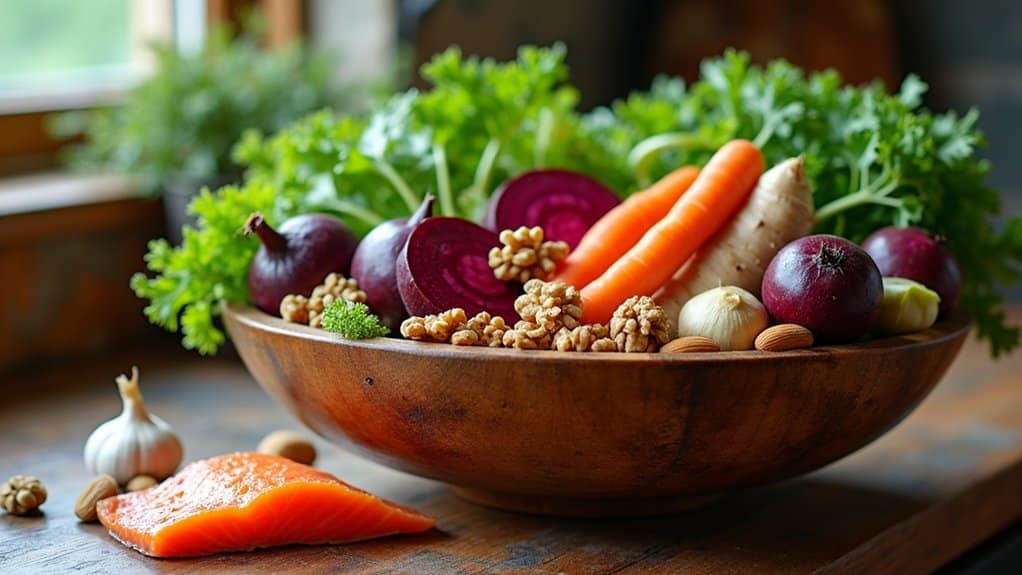
Your liver’s regenerative capacity benefits from strategic food choices that maximize healing potential after substance abuse. You’ll support peak liver function by incorporating anti-inflammatory superfoods like cruciferous vegetables, berries, and omega-3-rich fish, which provide essential nutrients for natural detoxification pathways. To amplify recovery, prioritize antioxidant-rich foods such as green tea, citrus fruits, and nuts that protect liver cells while reducing inflammation and oxidative stress. Adding milk thistle and turmeric to your diet provides powerful liver-supporting herbs that enhance healing and regeneration. Maintaining proper hydration levels helps your kidneys flush out toxins while supporting optimal liver function during recovery. Including high-quality proteins from wild-caught fish and organic poultry supplies essential amino acids necessary for liver tissue repair and detoxification processes.
Healing Superfoods For Recovery
The path to liver recovery requires strategic consumption of nutrient-dense superfoods that support cellular regeneration and detoxification processes. You’ll want to incorporate antioxidant-rich berries and citrus fruits into your superfood smoothies, while making cruciferous vegetables and leafy greens staples in your daily meals. For liver-friendly snacks, choose walnuts, pumpkin seeds, and avocados to boost glutathione production and enhance cellular repair. A nutrient-rich diet is essential for rebuilding damaged organs and supporting long-term healing during recovery. Since fatty liver occurs in over 90% of heavy drinkers, focusing on liver-supportive foods is crucial for recovery. Maintaining a balanced intake of complex carbohydrates helps support central nervous system function during liver healing. In addition to these components, ensure that you stay adequately hydrated, as water plays a pivotal role in flushing toxins from the body. Incorporating a variety of nutritious foods for liver recovery not only enhances overall health but also provides the body with essential vitamins and minerals needed for optimal function.
- Combine blueberries, spinach, and flaxseeds in morning smoothies to maximize antioxidant intake and support detoxification pathways
- Include cold-water fatty fish like salmon three times weekly to reduce inflammation and improve hepatic fat metabolism
- Incorporate bitter greens such as arugula and kale to stimulate bile production and enhance toxin removal
Natural Liver Detox Foods
Natural detoxification pathways spring into action through strategic consumption of specific plant-based compounds and nutrient-dense whole foods. You’ll optimize liver function by incorporating cruciferous vegetables like broccoli and kale, which upregulate phase I and II detox enzymes. Citrus fruits and berries deliver potent antioxidants that reduce hepatotoxicity and oxidative damage. The liver’s vital role in protein synthesis and detoxification makes it essential to support its recovery through proper nutrition. Research demonstrates that dietary components modulate the conversion and elimination of toxins from the body.
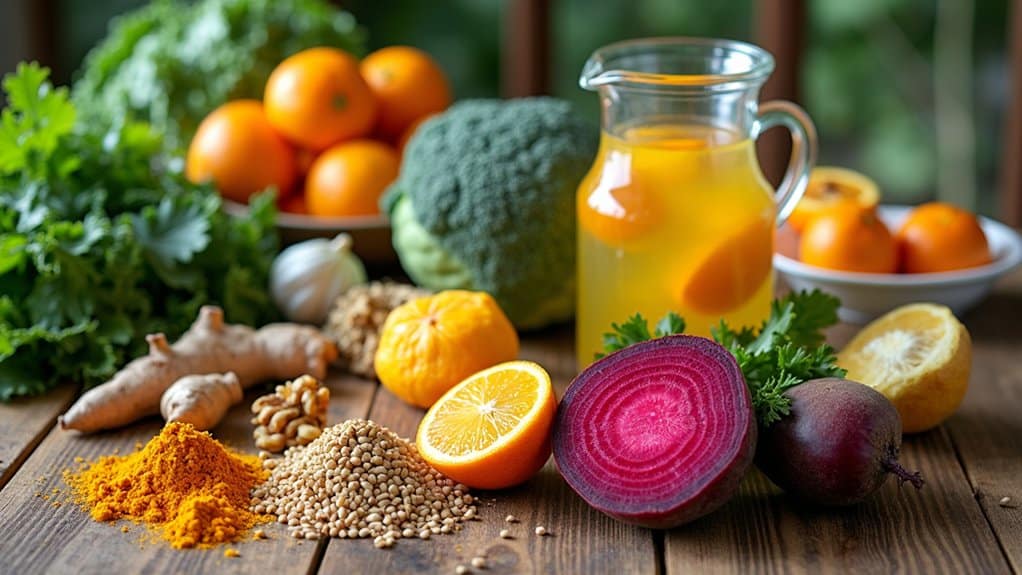
Combine these with detoxifying herbs like turmeric and ginger to enhance bile production and anti-inflammatory activity. Green tea’s catechins offer proven hepatoprotective benefits, while coffee consumption correlates with reduced liver disease risk. Include liver-friendly grains alongside protective fats from walnuts and olive oil. For maximum cellular support, don’t overlook alliums like garlic, which induce detoxification enzymes, and mineral-rich options like lotus and balloonflower root.
Anti-Inflammatory Eating Essentials
When targeting liver inflammation after substance abuse, strategic anti-inflammatory nutrition becomes essential for cellular repair and regeneration. Your liver will benefit most from a nutrient balance that emphasizes power-packed foods known for their anti-inflammatory benefits. Focus on incorporating Mediterranean-style eating patterns that support liver healing through antioxidant-rich choices. Mediterranean dietary patterns have shown significant benefits in reducing liver disease severity and inflammatory markers. Regular whole food choices help maintain optimal liver function and prevent disease progression.
- Combine leafy greens and cruciferous vegetables like kale and broccoli, which contain glutathione and detoxification compounds essential for liver recovery
- Include omega-3-rich foods such as walnuts and fatty fish to suppress inflammation and support cellular repair mechanisms
- Integrate anti-inflammatory herbs and spices, particularly turmeric and garlic, which activate liver detoxification enzymes and reduce inflammatory markers
Avoid processed foods, excess sugars, and saturated fats that can impede your liver’s healing process and trigger inflammatory responses.
Building a Liver-Friendly Meal Plan
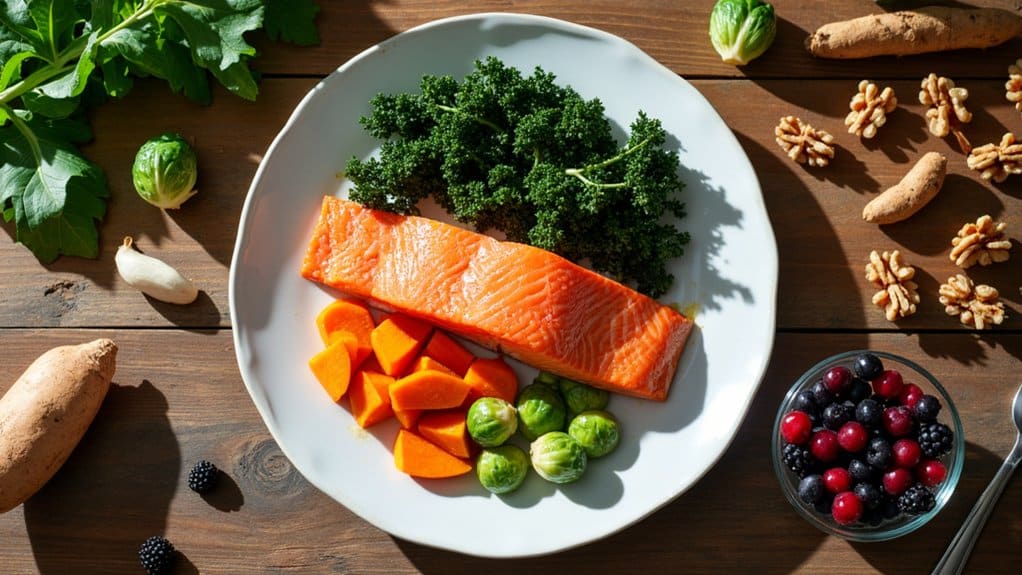
Creating a structured meal plan plays an essential role in supporting liver regeneration after substance abuse. You’ll need to focus on meal planning that incorporates frequent, smaller portions throughout the day to prevent overwhelming your healing liver.
Start your day with fiber-rich whole grains and lean proteins, such as steel-cut oats with eggs or tofu scramble. For lunch and dinner, combine lean proteins like fish or legumes with cruciferous vegetables and leafy greens. Include healthy snacks like fresh fruits and raw vegetables between meals. Remember to practice portion control, especially with proteins, to avoid straining your liver.
Stay hydrated with water, diluted vegetable juices, and herbal teas while completely avoiding alcohol and limiting processed foods. This structured approach guarantees your liver receives consistent nutritional support for ideal healing and detoxification. Incorporating nutrient-rich foods such as leafy greens, cruciferous vegetables, and high-fiber fruits can further enhance liver function. Consuming these foods for alcohol detox support will not only aid in the elimination of toxins but also promote overall well-being.
Healthy Fats and Their Impact on Healing
The strategic selection of dietary fats plays a pivotal role in liver regeneration after substance abuse. Your liver’s healing process depends heavily on consuming the right healthy fat sources while avoiding harmful ones. Monounsaturated and polyunsaturated fats support fat digestion, reduce inflammation, and promote cellular repair in damaged liver tissue.
- Choose omega-3-rich fish like salmon and sardines, which actively decrease liver inflammation and support neuroplasticity during recovery
- Replace saturated fats with olive oil, avocados, and nuts to improve insulin sensitivity and reduce hepatic fat accumulation
- Eliminate trans fats found in processed foods, as they worsen liver damage and may increase relapse risk
Optimal Timing and Portions for Recovery
Beyond selecting nutritious foods, the timing and portioning of meals directly impact your liver’s healing capacity during substance abuse recovery. You’ll need to consume 4-6 small meals daily, spacing them every 3-4 hours to maintain steady nutrient delivery to your liver. This meal spacing prevents blood sugar fluctuations and supports continuous healing.
Proper portion control is essential, with your daily caloric needs ranging from 25-35 kcal/kg to support recovery. Focus on nutrient-dense foods, distributing protein intake evenly across meals at 1.2-1.5g/kg daily. Schedule larger meals earlier in the day to align with your body’s natural metabolic rhythm, and keep dinner lighter. You’ll also need consistent hydration, aiming for 2-3 liters daily unless medically restricted, to support your liver’s filtration processes.
Beneficial Supplements and Natural Remedies
While proper nutrition forms the foundation of liver recovery, strategic supplementation can accelerate healing during substance abuse rehabilitation. When considering supplement safety, focus on evidence-based options like milk thistle (silymarin), which provides potent antioxidant protection for liver cells. You’ll want to prioritize supplements that support detoxification pathways and reduce inflammation.
Strategic supplementation enhances liver recovery, with evidence-backed options like milk thistle providing crucial antioxidant support during rehabilitation.
- Antioxidant supplements like vitamins C, E, and selenium help shield your liver from oxidative damage while supporting cellular repair
- B-complex vitamins, magnesium, and zinc are essential for metabolic function and may be depleted during substance abuse
- For herbal efficacy, consider milk thistle, turmeric, and artichoke extract, which have demonstrated benefits for liver health through research
Remember to consult healthcare providers before starting any supplement regimen, as individual needs vary based on liver condition and recovery stage.
Overcoming addiction requires strength, but you don’t have to walk this path alone. If you or a loved one is ready for transformation, know that caring support is within reach. Miami Substance Abuse Treatment connects you with trusted treatment specialists across Miami who understand the complexities of substance abuse and are committed to guiding your healing journey. From comprehensive specialized detox programs to inpatient treatment, outpatient care, and ongoing recovery assistance, we’ll help you find the best path forward. Take that crucial first step call (786) 228-8884 today and allow us to connect you with the support you need.
Frequently Asked Questions
How Long Should I Continue Eating Liver-Healing Foods After Achieving Sobriety?
You’ll need to maintain liver-healing foods for at least 12 months after achieving sobriety, as your liver health timeline varies based on damage severity. Recovery nutrition should continue until clinical markers normalize, which typically occurs within 3-12 months for mild cases. If you’ve developed cirrhosis or advanced damage, you’ll need to adopt these dietary habits permanently. Regular medical assessments should guide your nutritional approach throughout recovery.
Can Certain Food Combinations Enhance the Liver’s Healing Process?
Yes, you’ll maximize your liver’s healing through strategic food pairings that create nutrient synergy. Combine cruciferous vegetables with healthy fats to enhance absorption of detoxifying compounds. Pair leafy greens with citrus fruits to boost iron uptake and liver cell repair. Add detoxifying herbs like milk thistle to antioxidant-rich berries for enhanced protection. Consuming omega-3-rich fish with fiber-rich vegetables reduces hepatic inflammation and supports cellular regeneration.
Are There Foods That Might Slow Down Liver Recovery?
Yes, several foods can impede your liver’s recovery process. Processed sugars in sodas, candies, and refined carbohydrates strain your liver’s metabolic functions and promote inflammation. Unhealthy fats, particularly trans fats found in packaged snacks and processed meats, burden your liver’s detoxification capacity. You’ll want to avoid foods with artificial additives, excessive caffeine, and high-fructose corn syrup, as they can overwhelm your liver’s healing mechanisms and delay tissue regeneration.
Should I Eat Differently if I Have Hepatitis Along With Addiction?
Yes, you’ll need stricter dietary restrictions when managing both hepatitis and addiction recovery. Your liver requires specific nutrient requirements to heal from dual damage. You should focus on low-fat, antioxidant-rich foods while completely avoiding alcohol and raw shellfish. It’s essential to eat small, frequent meals with lean proteins and complex carbohydrates. You’ll also need to monitor your protein intake carefully and may require B-vitamin supplementation under medical supervision.
How Do Medications for Addiction Treatment Affect Nutrient Absorption?
Your addiction treatment medications can greatly impact how your body processes nutrients. You’ll likely experience medication interactions that affect absorption in several ways: some drugs reduce stomach acid needed for nutrient breakdown, while others speed up gut transit time. You might develop nutrient deficiencies because certain medications compete for absorption pathways or increase nutrient losses through urine. That’s why you’ll need careful monitoring and may require targeted supplementation during treatment.