





Yes, dispensary weed is sprayed with pesticides, but you’re protected by strict state regulations that govern every application. Each state maintains approved pesticide lists, typically featuring minimum-risk products like botanical oils that meet EPA exemption criteria under FIFRA Section 25(b). Before reaching shelves, your cannabis must pass mandatory lab testing for contaminants, with failed products facing recall and disposal. Understanding how these regulations work and what testing actually reveals will help you make informed purchasing decisions. can spraying weed killer make you sick is a valid concern, especially when considering the chemicals involved in pest control. It’s essential to stay informed about the safety guidelines and potential risks associated with any pesticides used in agriculture. Additionally, consumers should look for products that prioritize organic or natural ingredients to minimize any health impacts.
Yes, Dispensary Weed Gets Sprayed: But It’s Heavily Regulated
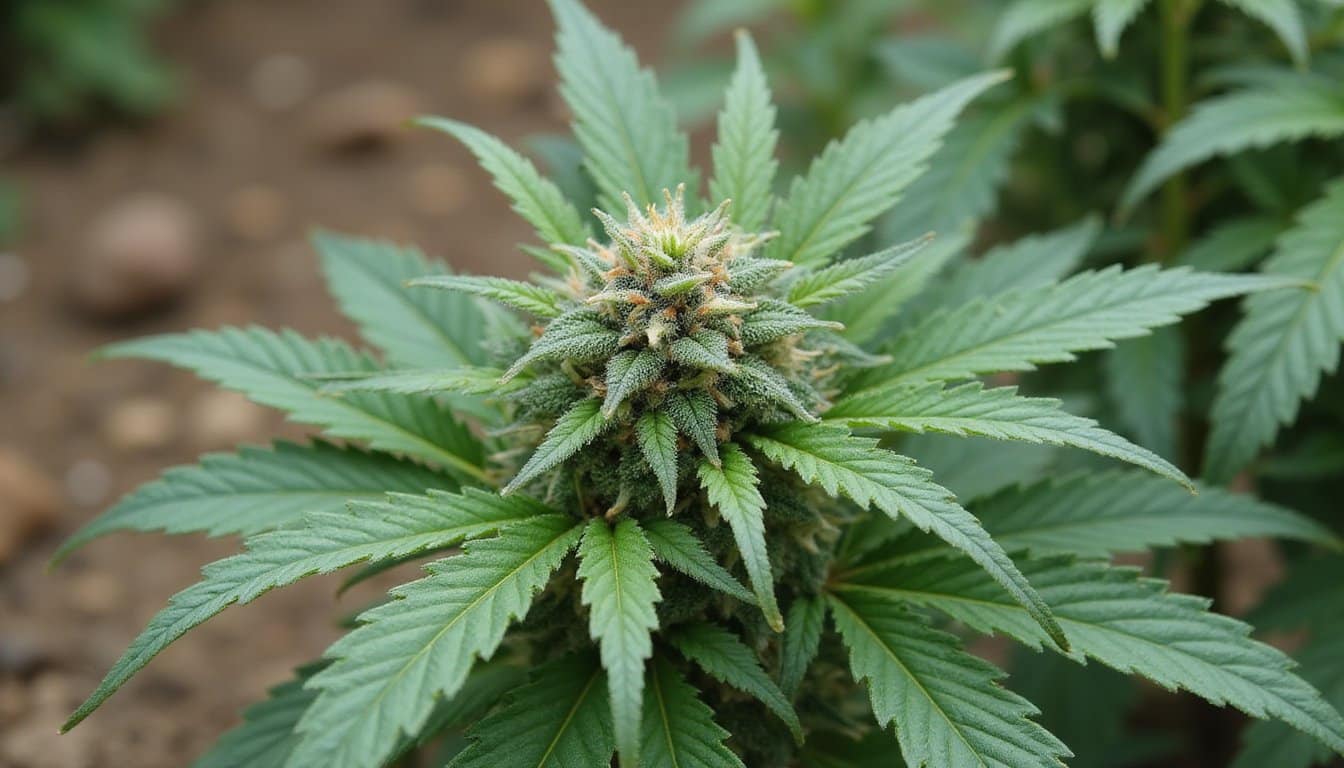
While the term “sprayed” might sound alarming, dispensary cannabis does receive pesticide applications, and that’s not necessarily a bad thing. Under strict dispensary cannabis regulations, cultivators can use approved pesticides that meet state-specific criteria. Since cannabis remains federally Schedule 1, the EPA hasn’t registered pesticides specifically for it, so states created their own frameworks. The Washington State Agricultural Department maintains a list of allowable and restricted pesticides for cannabis growers to follow.
Cannabis testing laws require certified third-party labs to screen products for contaminants. California tests for 66 pesticides, while Canada screens 96 compounds at detection levels as low as 0.01 ppm. Products failing these tests face mandatory recall and disposal. California’s approach distinguishes between ingestible and inhalable products, though experts note that limits for inhalable products do not incorporate toxicological considerations.
You’ll find organic options like neem oil and Bacillus thuringiensis on approved lists. These regulated marijuana myths often stem from confusion between legal compliance and illicit market practices. Marijuana producers, processors, and retailers should be aware that they can be held liable for defective products even without knowledge of the defect, making compliance with testing requirements essential for business protection.
Which Pesticides Are Legally Allowed on Cannabis
When you’re shopping at a licensed dispensary, the pesticides allowed on your cannabis fall into specific legal categories. California permits products classified as Section 25(b) minimum-risk substances, like neem oil, potassium bicarbonate, and rosemary oil, along with state-approved pesticides that meet strict criteria, including exemption from EPA residue tolerance requirements. Because cannabis remains federally illegal, no pesticides carry direct federal registration for the plant, creating regulatory gaps that states like California address through their own approved product lists. Even when using approved pesticides, growers must understand that all cannabis products undergo mandatory residual pesticide testing by DCC-licensed laboratories, and improper application can still result in test failures.
Section 25(b) Minimum Risk
How exactly do regulators determine which pesticides are safe enough for cannabis cultivation? Under FIFRA Section 25(b), the EPA exempts minimum risk pesticides from federal registration when they pose little threat to human health or the environment.
You’ll find these products contain only EPA-approved active ingredients listed in 40 CFR 152.25(f)(1), including botanical oils like garlic, lemongrass, peppermint, and rosemary. Dispensary cannabis regulations require inert ingredients to have tolerance exemptions under 40 CFR 180, treating cannabis as a food crop. These products must meet six strict conditions established by the EPA to qualify for the minimum risk exemption.
Don’t confuse these regulated applications with legal weed additives or terpene enhanced flower products. While 25(b) exempt pesticides aren’t federally registered for cannabis specifically, states accept their use. However, minimum risk doesn’t mean zero risk, essential oils can damage plants, and state-specific rules like Michigan’s registration requirements still apply. It’s important not to conflate regulated inputs with illicit adulteration practices: while certain 25(b) minimum-risk pesticides are permitted at the state level, they are not federally registered specifically for cannabis, and “minimum risk” does not equate to zero phytotoxicity or inhalation safety. Essential oil, based products can still stress plants, and compliance requirements, such as state-level registration rules in places like Michigan, must be followed. This distinction becomes especially relevant when consumers ask what is sprinkles weed sprayed with, as marketing terms can obscure whether additives are compliant terpene enhancements or unregulated synthetic coatings.
State-Approved Pesticide Lists
Because cannabis lacks federal legalization, each state’s agriculture department maintains its own approved pesticide list for legal cultivation. You’ll find significant variation between jurisdictions, Washington approves 316 products while California permits approximately 100. These lists undergo periodic review, and cultivators can request product additions for evaluation. Persons seeking review of an active ingredient must submit an application to their state department by June 1st to be considered for that year’s updated list. The decision to use sprayed vs non sprayed weed can significantly influence the quality and safety of cannabis products. Growers must consider that while sprayed options might deter pests effectively, they also introduce pesticide residues that could affect consumers. As such, many cultivators are shifting towards organic practices to align with health-conscious market trends.
| State | Approved Products | Regulatory Body |
|---|---|---|
| Washington | 316 total | Dept. of Agriculture |
| California | ~100 | Dept. of Pesticide Regulation |
| Pennsylvania | Varies | Dept. of Agriculture |
| New Mexico | Periodic review | Dept. of Agriculture |
| Ohio | State-specific | Distinct framework |
Each state evaluates active ingredients using criteria including EPA registration status and tolerance exemptions on food crops. You should verify your state’s current approved list, as regulatory frameworks differ substantially across jurisdictions. It’s important to note that no pesticide product is federally registered for use on cannabis, which is why states must develop their own independent guidance and approved product lists.
Federal Registration Gaps
Federal cannabis cultivation operates in a regulatory gray zone because the EPA can’t register pesticides specifically for marijuana. Under FIFRA, the agency is prohibited from approving pesticides labeled for Schedule I substances, leaving cannabis growers without federally sanctioned options.
You’ll find two primary workarounds. First, Section 25(b) exempts minimum risk pesticides, like castor oil, eugenol, and cinnamon oil, from federal registration requirements. Six states and DC restrict cannabis cultivation to these options exclusively.
Second, some states allow hemp-registered pesticides on cannabis. The EPA has approved 97 pesticides for hemp, including biopesticides like azadirachtin and neem oil. New Mexico, for example, permits hemp-approved products unless labels specifically exclude cannabis. NMDA updates the approved list as manufacturers complete the registration process, so available options continue to expand. These biopesticides are considered reduced risk because they rely on natural, non-toxic modes of action compared to conventional chemical alternatives.
However, federal exemptions don’t automatically transfer across state lines. You should verify approved products through your state’s agriculture department. This verification is especially important since the number and action levels of regulated pesticides differ vastly across the 33 states and Washington, D.C. that have legalized medical cannabis.
Busting the Biggest Myths About Cannabis Pesticides
While many consumers assume legal cannabis products are completely pesticide-free, the data tells a more complex story. Health Canada’s post-legalization testing revealed 5% of samples tested positive for pesticides, with one triggering a recall for myclobutanil levels 700 times above acceptable limits. Washington state analysis found 84.6% of legalized products contained pesticides, including carcinogens.
Key myths you should reconsider:
- Legal means pesticide-free, Regulated markets still show contamination; 17 Health Canada recalls have occurred since legalization.
- Approved levels are safe, Myclobutanil releases hydrogen cyanide when burned, with no established safe inhalation threshold.
- Government oversight eliminates risk, Los Angeles covert testing found bifenthrin at 1,000 times legal limits in dispensary products.
You’re traversing a system where regulation reduces, but doesn’t eliminate, pesticide exposure risks. Experts have suggested that more frequent unannounced inspections by third parties could strengthen oversight and catch contamination issues before products reach consumers. The risk intensifies with concentrated cannabis products, which studies show contain pesticide levels approximately 10 times higher than flower heads. Beyond pesticides, cannabis can harbor microbes and heavy metals as common contaminants that pose additional health concerns including potential infection and carcinogenicity.
How States Test Cannabis Before It Reaches Shelves
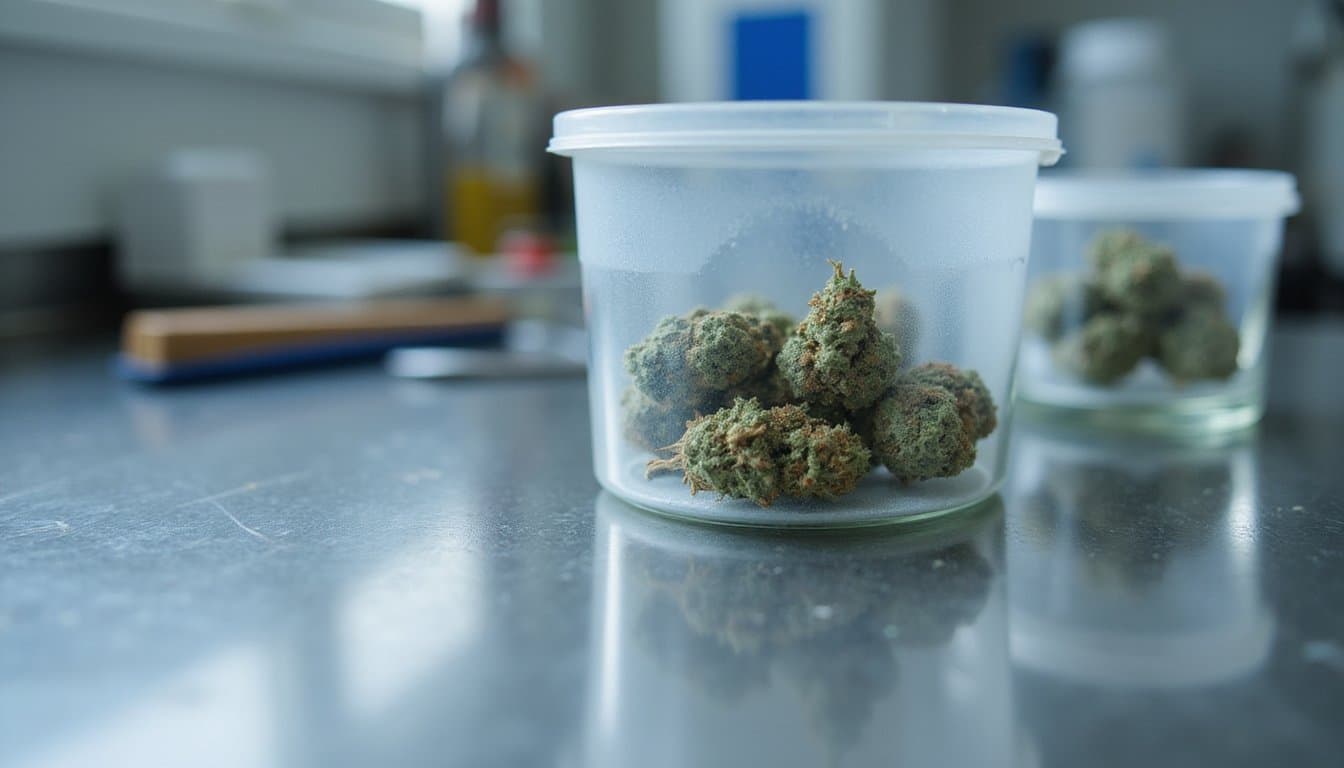
Every batch of cannabis that reaches dispensary shelves passes through a regulatory gauntlet designed to catch contamination before you ever see the product. Licensed laboratories screen for pesticides, heavy metals, and microbial contaminants before products receive clearance for sale. In New York, permitted labs send testing data directly to the Metrc seed-to-sale tracking system, creating an unbroken chain of accountability from cultivation through retail. This comprehensive tracking system provides the Office of Cannabis Management with supply chain insight to effectively regulate both adult-use and medical cannabis industries.
Florida’s vertically integrated Medical Marijuana Treatment Centers must comply with mandatory testing and labeling requirements under Office of Medical Marijuana Use oversight. These MMTCs must also adhere to seed-to-sale tracking and other regulatory requirements that monitor products from cultivation through dispensing. Florida’s regulatory framework extends beyond federal standards, implementing a 0.4 mg total THC per serving limit that applies to hemp-derived products sold outside the medical marijuana system. You’re purchasing products that have passed state-specific safety protocols before hitting dispensary inventory.
Why Some Legal Pesticides Still Pose Inhalation Risks
State testing protocols catch many contaminants, but they can’t eliminate every risk, especially when it comes to pesticides that are technically legal yet dangerous when heated.
Without federal EPA registrations for cannabis pesticides under FIFRA, states set their own action levels. This creates stark inconsistencies, dimethomorph limits range from 0.1 to 60 ppm across different markets, while azoxystrobin shows 4,000-fold variation between states.
Key inhalation risks from legal pesticides:
- Myclobutanil degrades into hydrogen cyanide when you smoke or vaporize cannabis
- Synthetic pyrethroids like bifenthrin persist on dried flower and can’t be washed off
- California testing found vape products carried the highest pesticide risks in legal markets
You’re exposed directly through your lungs, bypassing your body’s digestive filtration systems entirely.
How to Check Lab Results and Verify Product Safety

You can verify product safety by requesting the Certificate of Analysis (COA) directly from your dispensary or scanning the QR code on product packaging. When reviewing the document, check that the lab holds ISO/IEC 17025 accreditation and confirm the batch passed all contaminant thresholds established by your state’s regulatory agency. Red flags include missing accreditation details, incomplete terpene or cannabinoid profiles, and COAs that lack clear pass/fail designations for pesticides and heavy metals.
Reading COA Documents
How can you actually verify that a dispensary product meets safety standards? You’ll need to examine the Certificate of Analysis (COA) that accompanies tested cannabis products. This document provides concrete data about what’s in your purchase.
When reviewing a COA, focus on these critical elements:
- Confirm batch matching, Corroborate the batch/lot number on the COA matches your product label precisely, guaranteeing the test results actually apply to what you’re buying.
- Check contaminant results, Look for “ND” (Not Detected) or levels below state limits for pesticides, heavy metals, microbials, and residual solvents.
- Validate lab credentials, Ensure the testing facility holds ISO 17025 accreditation and proper state licensing, with a digital signature affirming authenticity.
These verification steps help you distinguish compliant products from potentially unsafe ones.
Spotting Testing Red Flags
Even a legitimate-looking COA can contain warning signs that indicate unreliable testing or outright fraud. You should first verify the lab’s credentials, look for ISO 17025 accreditation details, contact information, and verification portals. Missing third-party lab information raises immediate credibility concerns.
Check that batch numbers on your product match the COA exactly. Mismatched, reused, or altered batch IDs prevent product-specific verification. Without batch-specific QR codes or LIMS database access, you can’t confirm authenticity.
Examine the testing scope carefully. A complete COA includes panels for pesticides (60+ compounds), heavy metals, microbials, mycotoxins, and residual solvents, not just potency. Watch for suspicious potency claims: THC levels exceeding 40% in flower, identical profiles across batches, or round numbers without variation. Finally, confirm test dates fall within 6-12 months.
Walk Toward Recovery With Trusted Cannabis Detox Programs
When you or a loved one is ready to take the first step toward freedom from cannabis dependency, you don’t have to face it alone. Miami Outpatient Detox connects you with trusted cannabis detox programs so you can access the care you truly deserve. Reach out to us at (786) 228-8884 and allow us to walk alongside you on your path to healing and recovery.
Frequently Asked Questions
Can Dispensaries Sell Cannabis That Has Failed Pesticide Testing?
No, dispensaries can’t legally sell cannabis that’s failed pesticide testing. When a product fails, it triggers a Test Batch failure, blocking sale until it passes retesting or undergoes approved remediation. However, you should know enforcement gaps exist, manufacturers select their own samples, and state investigations identified 24 manipulation cases in 2024. Independent testing found pesticide chemicals in some dispensary products, suggesting the system isn’t foolproof despite regulatory prohibitions.
Are Organic Cannabis Products Completely Free From All Pesticides?
No, organic cannabis products aren’t completely free from all pesticides. You’ll find that organic production permits natural pesticides unless specifically prohibited, and biopesticides are allowed if the brand name’s approved. Even regenerative practices risk pesticide and heavy metal exposure. Since cannabis can’t carry USDA organic certification due to its Schedule I status, you’re relying on state-level rules that vary remarkably in stringency and enforcement across jurisdictions.
Do Different States Have Different Lists of Approved Cannabis Pesticides?
Yes, different states maintain their own approved cannabis pesticide lists. Since cannabis remains federally illegal, the EPA can’t register pesticides specifically for it, forcing each state to develop independent frameworks. California, for example, has approved approximately 100 pesticide products meeting specific EPA or DPR minimum-risk criteria. You won’t find uniform national standards, each regulated state establishes its own testing requirements, approved substances, and action levels based on individual regulatory determinations.
How Often Do Dispensaries Receive Shipments With Pesticide Violations?
You’ll find pesticide violations occur more frequently than you might expect. California data shows a 2.3% failure rate for flower and 9.2% for extracts based on required testing. However, when researchers tested for chemicals beyond mandatory screening lists, they detected 45 hidden pesticides not included in standard panels. Approximately half of vape products tested positive for unapproved pesticides, suggesting shipments containing violations reach dispensary shelves regularly despite regulatory oversight.
Can I Sue a Dispensary if Their Product Contains Illegal Pesticides?
Yes, you can sue a dispensary if their product contains illegal pesticides. You’d typically pursue a personal injury lawsuit based on negligence or product liability, especially if you’ve experienced adverse health effects. You can also file errors and omissions claims against testing labs that issued fraudulent Certificates of Analysis. California’s legal precedent shows consumers have recourse, West Coast Cure faced a $3-million fine for adulterated products, and lawsuits have targeted mislabeling and testing fraud.